

Ripple and BNY are expanding their collaboration in digital assets. According to Ripple’s announcement on October 27, 2026, BNY now supports XRP and the US dollar stablecoin RLUSD on its Digital Asset Custody platform. Eligible institutional clients can use the platform to safekeep, hold and transfer these assets.
The expansion builds on existing relationships: BNY already serves as the primary custodian of RLUSD reserves and has a custody relationship with Ripple Prime.
The companies also intend to explore further applications on the XRP Ledger, including tokenized investment products and trade finance. Together with working capital platform C2FO, they are exploring a supply chain finance initiative.
It is important to distinguish the existing custody offering from the planned extensions. Future product plans remain subject to final BNY and regulatory approvals.
What BNY Now Enables Institutional Clients to Do with XRP and RLUSD
According to the announcement, BNY supports XRP and RLUSD on its Digital Asset Custody platform. Eligible institutional clients can hold and transfer both assets within BNY’s custody and control framework.
XRP and RLUSD serve different purposes. XRP is the native digital asset of the XRP Ledger, while RLUSD is a stablecoin designed to maintain a value equivalent to one US dollar.
Support on an institutional custody platform creates an access point. It does not mean that all BNY clients use these assets or that BNY uses them for all its own payments and securities transactions.
The next question is which clients adopt the service and what additional applications develop around it. The announcement does not disclose client numbers or the amount of XRP held in custody.
BNY’s Existing Role in RLUSD Reserves and Ripple Prime
The expanded collaboration builds on existing relationships between BNY and Ripple. BNY already serves as the primary custodian of RLUSD reserves and has a custody relationship with Ripple Prime.
These activities involve different responsibilities. Reserve custody concerns the assets backing the stablecoin. The newly announced support for RLUSD and XRP concerns the digital assets themselves, which eligible institutional clients can hold and transfer through BNY’s platform.
The expansion therefore connects several areas of institutional infrastructure. Any additional payment, financing or capital markets applications will need to be assessed through specific products and their actual use.
Tokenized Trade Finance: What Ripple, BNY and C2FO Are Exploring
Alongside digital asset custody, Ripple and BNY are exploring trade finance applications on the XRP Ledger. Together with C2FO, they are examining a supply chain finance initiative intended to broaden investor access to this asset class.
One example involves receivables from approved invoices. Businesses have delivered goods or services but are still waiting for payment. Financing those receivables can give them earlier access to cash tied up in outstanding invoices.
Tokenization could digitally represent these existing financial claims and simplify their administration and distribution. The legal rights attached to a token, and how those rights can be enforced, remain essential.
According to the announcement, the BNY-related initiative is still being explored. It should therefore not be presented as an already fully operational marketplace for tokenized trade receivables.
Issuing and Redeeming RLUSD Directly Through BNY: What Is Still Planned
Another planned development concerns direct access to RLUSD through BNY. The bank and Ripple intend to enable BNY clients to mint and redeem the stablecoin directly through the bank.
Minting creates new RLUSD tokens against the provision of corresponding funds. Redemption allows tokens to be exchanged for their underlying monetary value and removed from circulation. This differs from buying or selling existing RLUSD on a trading platform.
For institutional clients, such access could simplify the connection between bank balances and blockchain-based financial applications. The precise processes, conditions and eligibility requirements would need to be assessed through the eventual product documentation.
The announcement describes this service as a future plan and gives no firm launch date. Implementation remains subject to final BNY and regulatory approvals.
What the Expanded BNY Partnership Means for XRP and the XRP Ledger
For XRP, the expansion initially represents an additional institutional custody channel. Eligible BNY clients can hold and transfer the asset through the platform. This does not yet establish how many clients will use XRP or what holdings they might build.
For the XRP Ledger, the announced plans extend beyond custody. Potential support for additional tokenized products and the exploration of trade finance applications could create further uses for the network. Their economic significance will depend on implementation and actual adoption.
XRP’s role must still be assessed separately. Tokenized receivables and RLUSD on the XRP Ledger are distinct assets. Their use does not automatically mean XRP serves as a bridge asset or financing instrument in every transaction.
The collaboration therefore expands institutional possibilities around XRP and the XRP Ledger. It does not provide a reliable basis for predicting a particular XRP price outcome.
Our article on Ripple’s expansion into Wall Street explains why institutional business growth does not automatically create greater demand for XRP.
Which Developments at BNY, Ripple and C2FO Matter Next?
Following the announcement, attention turns to implementation. For the existing custody offering, further details about client eligibility and the services available would help clarify how institutions can use XRP and RLUSD through BNY.
The planned extensions raise different questions: When will direct RLUSD minting and redemption become available? Which tokenized products will BNY support? And what form will the initiative being explored with C2FO take?
The partnership between Ripple and DriveWealth also illustrates the importance of distinguishing announced integrations from services that are already available. Its plans include using RLUSD on the XRP Ledger for institutional settlement.
For trade finance, the legal structure of the receivables, eligible investors and technical processes would be particularly important. These details are needed to assess what additional value blockchain infrastructure offers compared with existing arrangements.
It therefore remains essential to distinguish between an available service, a planned product and an initiative still under exploration. Confirmed launch dates, published product terms and verifiable usage data will show how far the collaboration progresses.
Understanding Ripple, XRP and Institutional Finance
The collaboration between Ripple and BNY illustrates the growing connection between digital assets and traditional financial services. Custody, stablecoins and tokenized receivables serve different purposes, making it important to understand how they fit together.
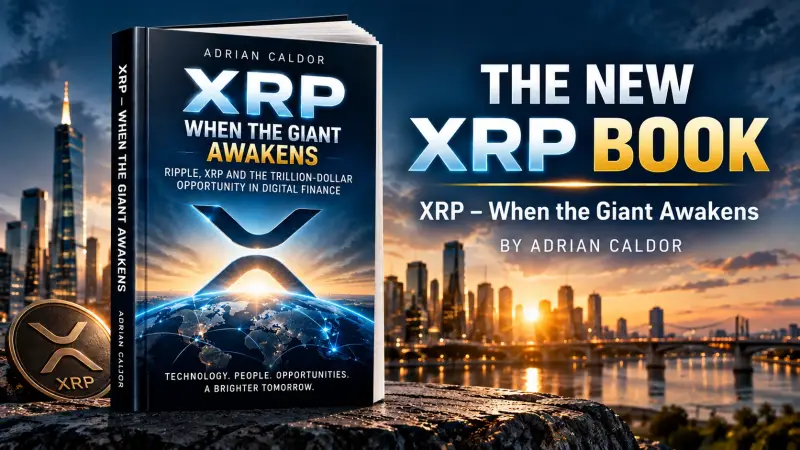
“XRP – WHEN THE GIANT AWAKENS” by Adrian Caldor explores these connections. It brings together the foundations of money, banking and inflation with blockchain technology, Ripple, XRP and the possible development of digital financial infrastructure.
For readers who want to look beyond the headlines, the book offers a deeper perspective on the opportunities, risks and unanswered questions. Available on Amazon.
Conclusion: BNY Expands Institutional Access to XRP and RLUSD
The expanded collaboration between Ripple and BNY provides an additional institutional custody channel for XRP and RLUSD. Support on BNY’s platform must be distinguished from the broader product plans announced alongside it.
Direct RLUSD minting and redemption through BNY, support for additional tokenized products and the trade finance initiative being explored with C2FO could extend the offering. These developments remain subject to the stated conditions and approvals.
For XRP and the XRP Ledger, the key questions are which clients use the available services and which planned applications become operational. The announcement expands the possibilities for institutional participants, but it does not establish future transaction volumes or provide a reliable prediction of XRP’s price.
Add comment
Comments