

XRP – WHAT IS XRP AND HOW DOES IT WORK?
THE TECHNOLOGY, THE IDEA AND XRP’S POTENTIAL ROLE IN THE GLOBAL FINANCIAL SYSTEM
XRP is a digital asset designed for fast and cost-efficient transfers of value. It operates on the XRP Ledger (XRPL), a decentralized blockchain infrastructure capable of settling transactions within seconds.
Unlike many traditional cryptocurrencies, XRP does not rely on mining. The XRP Ledger uses its own consensus mechanism and was designed for efficient payments, the exchange of different assets and other applications within the digital financial ecosystem.
WHAT MAKES XRP DIFFERENT?
XRP was designed for the fast transfer of value. Transactions on the XRP Ledger are typically confirmed within a few seconds and involve very low network fees.
Another key difference is its technical architecture: XRP is not created through mining. The maximum supply of 100 billion XRP was created when the XRP Ledger was launched.
XRP can be used independently of Ripple. Ripple is a technology company that develops solutions and infrastructure for digital payments and financial services and uses or supports XRP and the XRP Ledger in various products and use cases.
XRP AND GLOBAL PAYMENTS
International payments can involve multiple banks, payment providers and technical systems, which may increase processing times and costs. Digital technologies aim to make these processes more efficient and enable faster transfers of value across borders.
XRP can be used as a bridge asset between different currencies or assets. Instead of maintaining pre-funded liquidity for every currency pair, value can potentially be converted into XRP and then into the required destination currency.
This approach makes XRP particularly relevant to discussions around cross-border payments and liquidity. However, whether and to what extent XRP is actually used depends on the payment service, market, regulatory environment and available liquidity.
XRP AND RIPPLE – WHAT IS THE DIFFERENCE?
XRP and Ripple are not the same thing. XRP is the native digital asset of the XRP Ledger. Ripple is a technology company that develops solutions for international payments and digital financial infrastructure.
The XRP Ledger can operate independently of Ripple. Developers, companies and other participants can build applications and conduct transactions on the network without Ripple controlling the ledger.
Ripple uses and supports technologies related to the XRP Ledger and XRP in various areas. Understanding this distinction is important when evaluating the roles of XRP, Ripple and the XRP Ledger within the broader digital financial ecosystem.
UNDERSTANDING XRP – BEYOND THE PRICE
To truly understand XRP, it is important to look beyond short-term price movements. The technology of the XRP Ledger, Ripple’s role in international finance, regulatory developments, institutional adoption and the integration of digital assets into existing financial infrastructure all form part of the bigger picture.
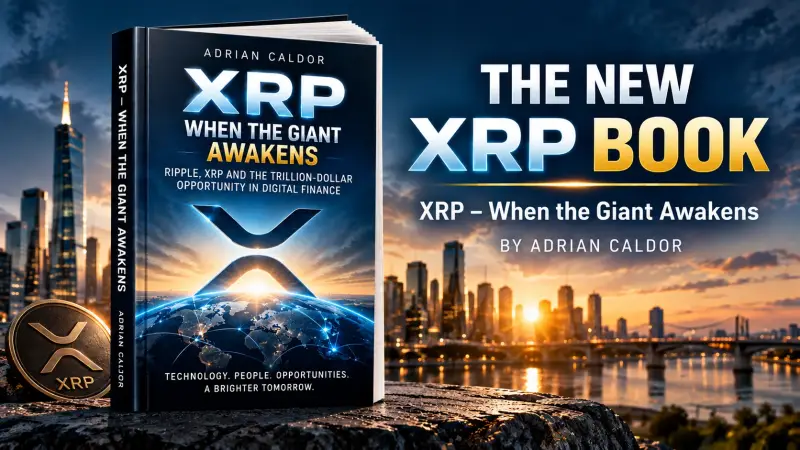
“XRP – When the Giant Awakens” by Adrian Caldor explores these connections in depth and examines Ripple and XRP within the broader transformation of the global financial system.
Available as Paperback & Kindle eBook.
WHAT ROLE COULD XRP PLAY IN THE FUTURE?
The long-term significance of XRP will not depend on a single use case. What matters is whether the XRP Ledger and applications built around it can gain meaningful adoption in areas such as payments, liquidity, tokenization and digital assets.
At the same time, the financial industry is moving increasingly towards digital infrastructure. Stablecoins, tokenized assets and institutional blockchain applications are creating new opportunities – as well as new competition.
The role XRP will ultimately play in this transformation remains uncertain. This is why understanding the technological and economic development of the XRP ecosystem is more valuable than focusing solely on short-term market movements.